

How to Become a Sterile Processing Technician in St. Louis, Missouri: Salary, Jobs & Career Opportunities
Interested in a behind-the-scenes healthcare role? Discover the path to becoming a sterile processing technician in St. Louis, Missouri.

Every surgical procedure depends on instruments that have been properly cleaned, inspected, assembled, sterilized, and stored. Sterile processing technicians are the healthcare professionals responsible for that work. They may not be in the operating room during a procedure, but their role is closely connected to patient safety. By preparing surgical instruments and medical devices for reuse, sterile processing technicians help hospitals, surgery centers, and clinical teams deliver care safely and efficiently.
If you are interested in healthcare but would rather work behind the scenes than in a patient-facing role, sterile processing can offer a practical path into the field. Here is what St. Louis-area residents should know about the career, including job opportunities, local pay, certification, and training options.
What Does a Sterile Processing Technician Do?
Sterile processing technicians, also called central service technicians or medical equipment preparers, are responsible for making sure reusable medical instruments and equipment are safe and ready for use.
Their work takes place in sterile processing departments, central service areas, hospitals, surgery centers, and other healthcare environments where instruments are used and reprocessed.
Depending on the employer, a sterile processing technician may:
- Receive used surgical instruments and medical devices after procedures
- Sort, disassemble, and decontaminate reusable items
- Inspect instruments for cleanliness, damage, and proper function
- Assemble instrument trays and surgical sets according to procedure needs
- Package instruments and supplies for sterilization
- Operate sterilization equipment and monitor sterilization cycles
- Label, store, and distribute sterile instruments and supplies
- Track inventory and help maintain appropriate supply levels
- Follow infection prevention procedures, manufacturer instructions, and facility policies
- Document processing activities and maintain records for quality assurance
The work calls for consistency and precision. A small error in the processing chain can affect an entire procedure, which is why sterile processing teams follow detailed protocols at every stage.
Sterile Processing Technician Job Outlook
Sterile processing technicians are generally included in the BLS occupation category of medical equipment preparers. National employment in that occupation is projected to grow 11% from 2025 to 2035, faster than the average projected growth rate for all occupations. The BLS projects approximately 10,700 openings each year, on average, over the decade.
STERILE PROCESSING TECHNICIAN CAREER SNAPSHOT (ST. LOUIS, MO)
|
890 Estimated medical equipment preparers employed in the St. Louis metro area, May 2025 |
11% Projected national employment growth, 2025–2035 |
Sources: BLS employment projections and CitySalaryData May 2025 St. Louis metropolitan wage and employment estimates.
Demand for sterile processing professionals is tied to the volume of surgical and invasive procedures performed in hospitals and outpatient settings. As facilities rely on increasingly complex instruments and must meet strict infection prevention standards, they need trained teams to keep equipment moving safely through the reprocessing cycle.
Where Sterile Processing Technicians Work in St. Louis
Hospitals are the primary employers of medical equipment preparers nationwide, but they are not the only option. Sterile processing technicians may also work in outpatient surgery centers, specialty hospitals, dental settings, endoscopy departments, and other facilities that use reusable instruments.
The following healthcare organizations are useful places to begin researching St. Louis-area opportunities.
BJC HealthCare
BJC HealthCare operates hospitals and specialty facilities across Greater St. Louis, including Barnes-Jewish Hospital, Missouri Baptist Medical Center, Christian Hospital, and Barnes-Jewish West County Hospital. Its system has posted local sterile processing technician positions, including roles that call for CRCST certification.
SSM Health
SSM Health's St. Louis-area hospitals and outpatient facilities perform a wide range of surgical and procedural services. Job seekers can explore its careers site for sterile processing, central service, surgical support, and related healthcare operations positions.
Mercy
Mercy operates hospitals, clinics, surgery centers, and specialty care locations throughout Greater St. Louis. Its surgical and procedural services depend on instrument processing and supply support teams across a variety of care settings.
Requirements vary by role. Some employers may consider applicants who are new to the field, while others may look for a training program, professional certification, prior sterile processing experience, or familiarity with specific equipment and workflows. When searching, try related titles such as sterile processing technician, sterile processing technician II, central service technician, instrument technician, or medical equipment preparer.
Note: These organizations are examples of regional healthcare employers, not guaranteed current openings or UMSL placement partners. Individual job availability and qualifications vary.
How Much Do Sterile Processing Technicians Make in St. Louis?
Pay can vary based on experience, certification status, shift schedule, employer, and the type of facility where a technician works. Based on May 2025 BLS occupational wage data for the St. Louis, MO-IL metropolitan area, medical equipment preparers earned a median annual salary of approximately $45,880, or $22.06 per hour.
Source: May 2025 BLS OEWS estimates for the St. Louis, MO-IL metropolitan area. Figures reflect occupational earnings and are not guaranteed starting salaries.
New technicians may earn less than the area's median, while professionals with experience, full certification, advanced instrument knowledge, or evening and weekend availability may qualify for different opportunities. Compensation can also differ between hospitals, outpatient centers, and specialty facilities.
How to Become a Sterile Processing Technician in St. Louis
Sterile processing is a hands-on healthcare field, but you do not need a four-year degree to begin preparing for it. Many people start with career-focused training, pursue a recognized credential, and build practical experience in a sterile processing department.
1. Get Familiar With Local Hiring Requirements
Missouri does not generally require a state-issued license for sterile processing technicians. Employers, however, set their own qualifications. A high school diploma or GED may be enough for some entry-level positions, particularly when an employer provides training. Other employers prefer applicants who have completed sterile processing education or earned a credential such as the Certified Registered Central Service Technician (CRCST).
Reviewing current St. Louis job postings can help you understand what local facilities are looking for before you begin.
2. Complete Sterile Processing Training
A training program can help you learn the standards, terminology, and step-by-step procedures used to process surgical instruments and medical devices safely. For learners who need to work around a job, family obligations, or another schedule, an online program can make it easier to complete foundational coursework at a manageable pace.
The University of Missouri-St. Louis (UMSL) online Sterile Processing Technician program provides self-paced training designed to prepare students for entry-level sterile processing opportunities and CRCST certification.
The program includes:
- 100% online, self-paced coursework, with many students completing training in approximately 4-6 months
- Instruction in decontamination, sterilization methods, infection prevention, instrument handling, and healthcare safety standards
- Training in operating room supply and inventory management
- Interactive virtual simulations that reinforce key sterile processing workflows
- Preparation for the CRCST certification exam
- A CRCST exam voucher included with tuition
- Resume guidance, interview preparation, career coaching, and employment opportunity sourcing
- Externship support for eligible students
Students who complete the program receive a Certificate of Completion from UMSL.
3. Prepare for the CRCST Certification Exam
The CRCST credential is offered by the Healthcare Sterile Processing Association (HSPA). It is designed for entry-level and working sterile processing professionals and can help demonstrate your preparation to employers. UMSL's program prepares students for the CRCST exam and includes an exam voucher. After completing the program, students can be ready to apply for provisional CRCST certification.
There is an important distinction to understand: HSPA requires 400 hours of hands-on sterile processing experience for full CRCST certification. Candidates who pass the exam before completing those hours receive provisional certification and have six months to complete and submit documentation of the required experience.
Before applying, review HSPA's current CRCST eligibility requirements, since certification policies may change.
4. Build Hands-On Experience
Training introduces you to the concepts behind sterile processing, but practical experience is where you develop familiarity with real instruments, equipment, department workflows, and facility procedures. An externship or entry-level role can provide exposure to the day-to-day work of a sterile processing department. It may also help you work toward the 400 hands-on hours required to convert a provisional CRCST certification to full CRCST status.
Eligible UMSL students can receive assistance identifying potential externship opportunities. Placement depends on factors such as eligibility, site availability, and location.
5. Search for Sterile Processing Opportunities
Once you have completed your training and are ready to pursue positions, begin by researching hospitals, surgery centers, and healthcare systems in the St. Louis area.
Useful search terms include:
- Sterile Processing Technician
- Central Service Technician
- Instrument Technician
- Medical Equipment Preparer
- Surgical Instrument Technician
UMSL students can also access career resources that include resume support, interview coaching, career guidance, and help identifying relevant job leads within the healthcare employer network when available.
Is Sterile Processing a Good Career Path?
Sterile processing may be a good fit if you want a healthcare career that is practical, process-driven, and essential to patient safety.
It is especially worth considering if you enjoy organized systems, hands-on work, and following detailed procedures. Technicians must be dependable, thorough, and comfortable working with equipment, instruments, and cleaning or sterilization processes. The work is not patient-facing in the same way as medical assisting or nursing, but it has a direct impact on patient care. Every properly processed tray, instrument, and device helps support the surgical teams who rely on it.
With experience, some sterile processing professionals pursue advanced certifications or move into roles focused on specialty instrumentation, endoscope reprocessing, education, quality assurance, or department leadership. Those paths may require additional experience or credentials.
Frequently Asked Questions About Sterile Processing in St. Louis
Do I need a degree to become a sterile processing technician?
No, a four-year degree is not generally required. Some employers may hire candidates with a high school diploma or GED, while others prefer formal training or professional certification.
Is sterile processing certification required in Missouri?
Missouri does not generally require a state license or universal certification for sterile processing technicians. Still, many healthcare employers prefer or require applicants to hold, or be working toward, credentials such as the CRCST.
How long does it take to become a sterile processing technician?
Your timeline depends on your training program, certification plans, and how quickly you complete hands-on experience. Many students complete UMSL's self-paced coursework in approximately 3-6 months. Additional time may be needed to gain experience and complete the 400-hour requirement for full CRCST certification.
What is the difference between provisional CRCST and full CRCST certification?
Candidates who pass the CRCST exam before finishing the required hands-on experience receive provisional certification. To obtain full CRCST certification, they must complete and submit documentation of 400 hours of hands-on sterile processing experience within six months of passing the exam.
Can I complete sterile processing training online?
Yes, online training can help you build the foundational knowledge needed for the field on a flexible schedule. Because sterile processing is a hands-on role, practical experience is also important. UMSL pairs self-paced online coursework and virtual simulations with externship support for eligible students.
Where can sterile processing technicians work in St. Louis?
Hospitals are a common workplace for sterile processing technicians, but opportunities may also be available at ambulatory surgery centers, specialty hospitals, endoscopy departments, dental facilities, and other healthcare settings that use reusable instruments.
Prepare for a Sterile Processing Career in St. Louis
Sterile processing technicians help make safe surgery and patient care possible long before a procedure begins. Their work requires focus, discipline, and a strong commitment to doing things correctly every time.
If you are ready to prepare for a role that supports healthcare from behind the scenes, the UMSL online Sterile Processing Technician program offers a flexible way to build foundational skills, prepare for CRCST certification, and access career support as you explore opportunities in the St. Louis area.
Ready to take the next step?
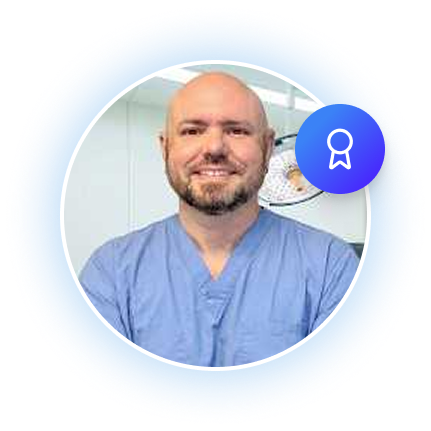
“If anyone asks me where to start, UMSL is the one program I’ll always vouch for. It’s the fastest and most affordable way to get your foot in the door.”
– Brandon Huffman, CST, Surgical Tech Expert

Copyright 2026 © UMSL

Copyright 2026 © UMSL | Powered by Preppy